AI can help a team organize claims documents and draft routine status updates. It cannot decide whether a loss is covered or what should be paid. This guide looks at where AI fits into claims administration and why the actual decision must always stay with a person.

What AI can and cannot do
AI can help summarize a long document, check a submission against a checklist of required items, and draft a plain-language status update once a person has confirmed the facts. It has no authority and no reliable ability to determine coverage, liability, or the amount owed on a claim.
In plain words:
- AI can help a team stay organized and communicate faster.
- AI cannot decide whether a loss is covered or calculate what is owed, and it should never be presented to a customer as having made that determination.
Tasks AI helps with vs what stays with a person
| Task | AI can help | Stays with a person |
|---|---|---|
| Checking a submitted file against a document checklist | Yes | Confirming the file is actually complete |
| Summarizing a long claims file or report | Yes, as a starting point | Verifying the summary is accurate |
| Drafting a routine status update to a customer | Yes, after facts are confirmed | Approving and sending |
| Organizing documents by type or date | Yes | Final filing and access control |
| Deciding coverage, liability or payment amount | No | Always a licensed claims professional |
Before and after example
Before: A team member manually reads through a claims file to check which required documents are present, which takes significant time for complex files.
After: The team member works from a synthetic or anonymized version of the file index, asks AI to compare it against a fixed checklist of required document types, and reviews the output themselves before contacting the customer about anything missing. The actual decision about the claim is made separately by the claims professional handling the file.
Example prompt
You are an assistant helping an insurance agency organize claims administration. Here is a list of document types received for a claim: [list]. Here is the required checklist: [list]. Identify which required items appear to be missing. Do not comment on whether the claim is covered or what might be paid. If something is ambiguous, say "needs human review."
Protecting customer data
Claims files often contain medical information, financial details and other sensitive data. Start any AI pilot with synthetic claims files that resemble real ones but contain no actual customer information. If a workflow will eventually touch real files, confirm vendor approval, access restrictions and legal review before moving forward, and limit what any AI tool actually sees to the minimum needed.
Human review checklist
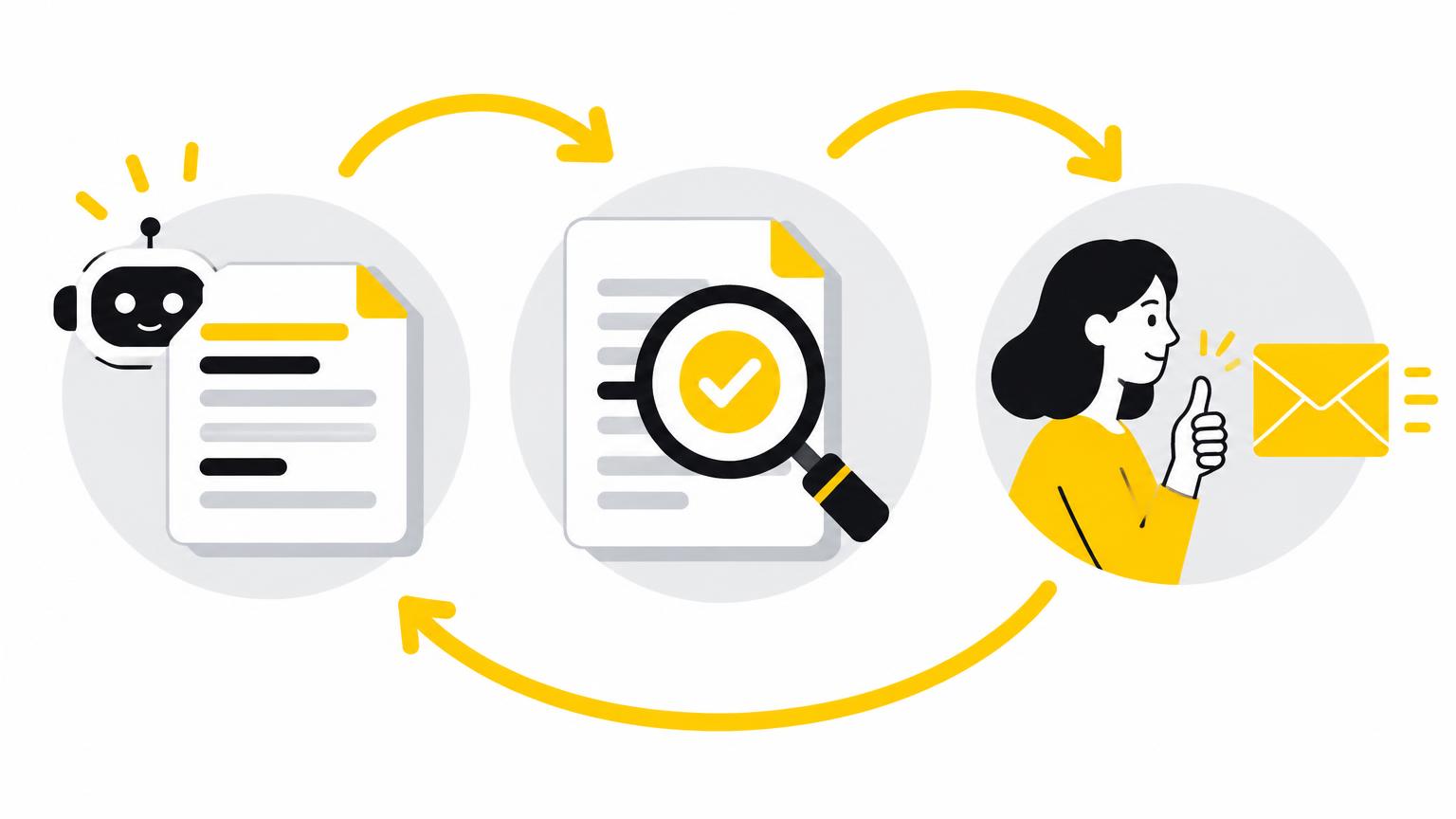
Before any AI-assisted output affects a real claim, check:
- Has a licensed claims professional made the actual coverage and payment decision, without relying on AI for that judgment?
- Was sensitive information handled only within approved, reviewed tools?
- Does any customer-facing update accurately reflect confirmed facts, not an AI-generated guess?
- Is there a documented record of who reviewed and approved the AI-assisted step?
Our free prompt library for insurance brokers includes templates for routine, non-decision communications like status updates and document requests.
Trusted sources
- NAIC, artificial intelligence in insurance
- NIST AI Risk Management Framework
- FTC, privacy and security guidance for businesses
- NAIC, state insurance departments directory
- OpenAI, prompt engineering guide
This guide is general education, not legal advice.