AI can produce a marketing draft in seconds, but speed is only useful if the content is accurate. AI tools can invent exclusions, discounts or customer results that sound plausible but are not true. This guide shows how to use AI for the drafting stage while keeping every factual claim sourced and verified.

What AI can and cannot do
AI can help brainstorm topics, draft a first version of a post or email, and adjust tone or length quickly. It cannot verify that a discount, exclusion or statistic it mentions is actually true for your agency or your state, and it has no knowledge of your current advertising or licensing requirements.
In plain words:
- AI can help you write faster and try more variations.
- AI cannot confirm facts about coverage, pricing or results, and it should never be the source of a factual claim in published content.
Tasks AI helps with vs what stays with a person
| Task | AI can help | Stays with a person |
|---|---|---|
| Brainstorming topics or angles for a post | Yes | Choosing what is relevant and timely |
| Drafting a first version of a blog post or email | Yes | Fact-checking every claim before publishing |
| Adjusting tone, length or format | Yes | Final approval |
| Suggesting a headline or subject line | Yes | Checking it is not misleading |
| Stating specific coverage details, discounts or guarantees | No | Always a person with the actual source |
Before and after example
Before: A team member spends an hour writing a blog post about a common customer question, starting from a blank page.
After: The team member gives AI the actual question and verified source material, such as a state insurance department page or the agency's own FAQ, and asks for a first draft based only on that material. The team member then checks every factual sentence against the source, removes anything unsupported, and adds a disclosure that the content is general information.
Example prompt
You are an assistant drafting a blog post for an independent insurance agency. The topic is [topic]. Use only the following verified information as your source: """[paste verified source text]""". Do not add any facts, statistics, discounts or coverage details that are not in the source text. If something important is missing, say so instead of guessing. Tone: friendly and plain-language. Length: about 400 words.
Protecting customer data
Marketing content should rarely require any real customer information. Use general, fictional examples such as "a small retail business" rather than an actual customer's name or story. If you want to reference a real customer result, get their permission separately and add the specific, verified detail yourself after the AI draft is done.
Human review checklist
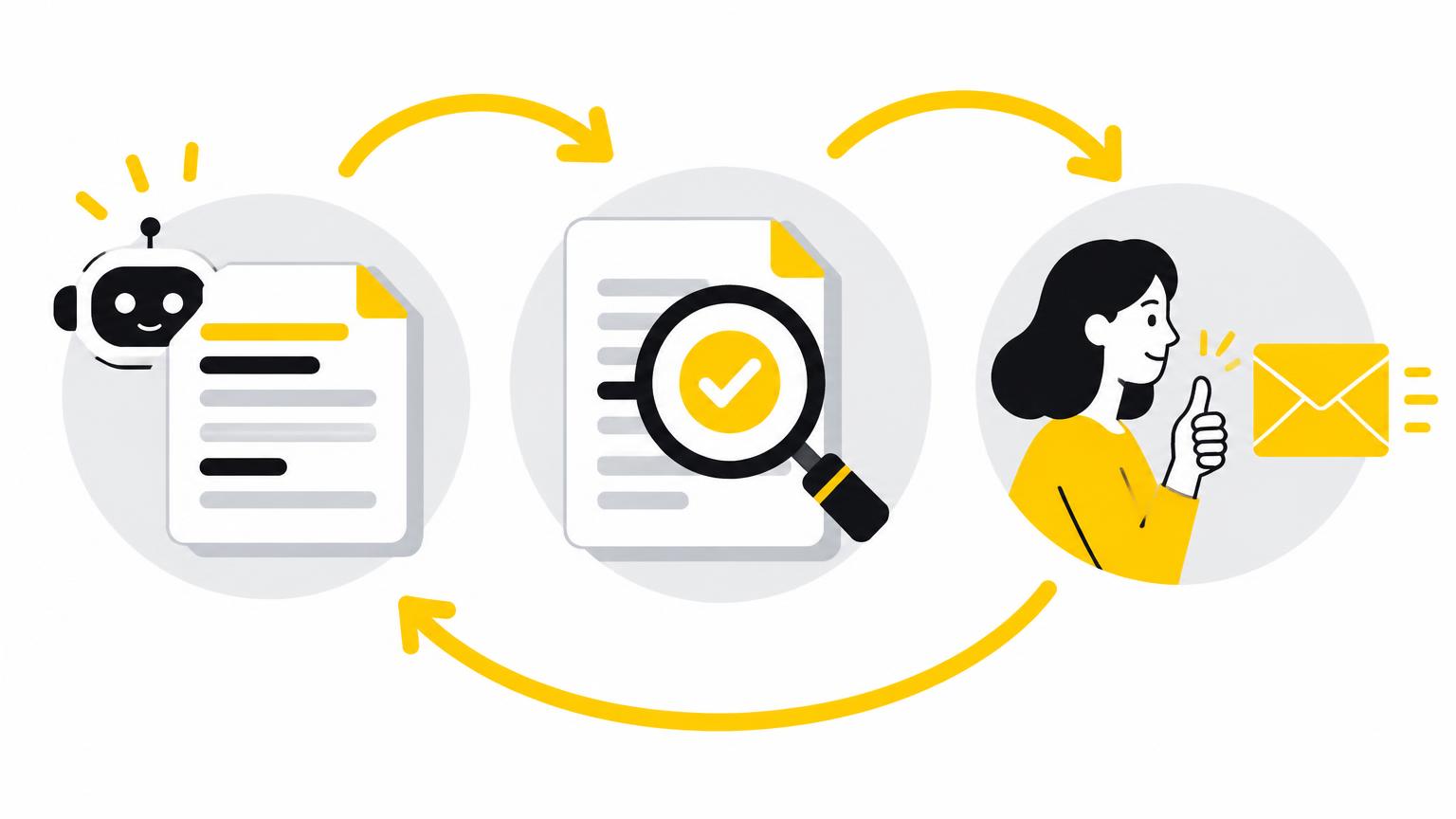
Before publishing any AI-assisted marketing content, check:
- Is every factual claim about coverage, pricing or results traceable to a verified source?
- Have advertising, intellectual property and state-specific marketing requirements been reviewed?
- Does the content avoid implying a guarantee or comparison that cannot be supported?
- Has a person who understands the agency's actual offerings approved the final version?
If you want tested starting points, our free prompt library for insurance brokers has templates for blog posts, social content, and Google Business Profile updates.
Trusted sources
- NAIC, artificial intelligence in insurance
- FTC, privacy and security guidance for businesses
- OpenAI, prompt engineering guide
- Google, Gemini for Workspace prompting guide
- NAIC, state insurance departments directory
This guide is general education, not legal advice.