AI can help a sales team prepare better questions, organize notes, and draft follow-up messages. It cannot determine what a customer needs, and it should never replace the judgment of a licensed insurance broker. This guide covers where AI fits into a sales process and where it does not.

What AI can and cannot do
AI can suggest a next question based on information you provide, help organize call notes, and draft a follow-up email after a conversation. It has no way to independently verify what coverage a customer actually needs, and it cannot assess risk, eligibility or suitability on its own.
In plain words:
- AI can help a team prepare, organize and follow up faster.
- AI cannot establish that a customer needs a particular policy, and it cannot replace a licensed professional's review of the customer's actual situation.
Tasks AI helps with vs what stays with a person
| Task | AI can help | Stays with a person |
|---|---|---|
| Preparing a list of discovery questions for a call | Yes | Adjusting based on how the conversation actually goes |
| Organizing notes taken during a conversation | Yes | Confirming accuracy against what was actually said |
| Drafting a follow-up email after a meeting | Yes, as a first draft | Reviewing before sending |
| Suggesting a next question based on provided context | Yes | Deciding what to recommend to the customer |
| Determining a customer's coverage needs or suitability | No | Always a licensed broker |
Before and after example
Before: A sales team member starts each call without a consistent set of questions, so some important details get missed and follow-up emails are written from scratch every time.
After: The team member uses a prompt to generate a starting list of discovery questions appropriate for the customer's industry, adjusts it based on the actual conversation, and uses a second prompt to draft a follow-up email summarizing what was discussed, using only information actually said on the call, before reviewing and sending it personally.
Example prompt
You are an assistant to a licensed insurance broker. The broker is preparing for a call with a [type of business] customer. Suggest 8 open-ended discovery questions about their current risks and operations. Do not suggest or imply any specific coverage, price, or recommendation. These are questions only, to help the broker understand the customer's situation.
Protecting customer data
Keep sensitive personal details, such as health information, Social Security numbers or financial account numbers, out of any AI tool during preparation. Use general descriptions like "a small restaurant with 10 employees" rather than the customer's actual name and account details. If you draft a follow-up email with AI, use placeholders for anything specific and fill them in yourself afterward.
Human review checklist
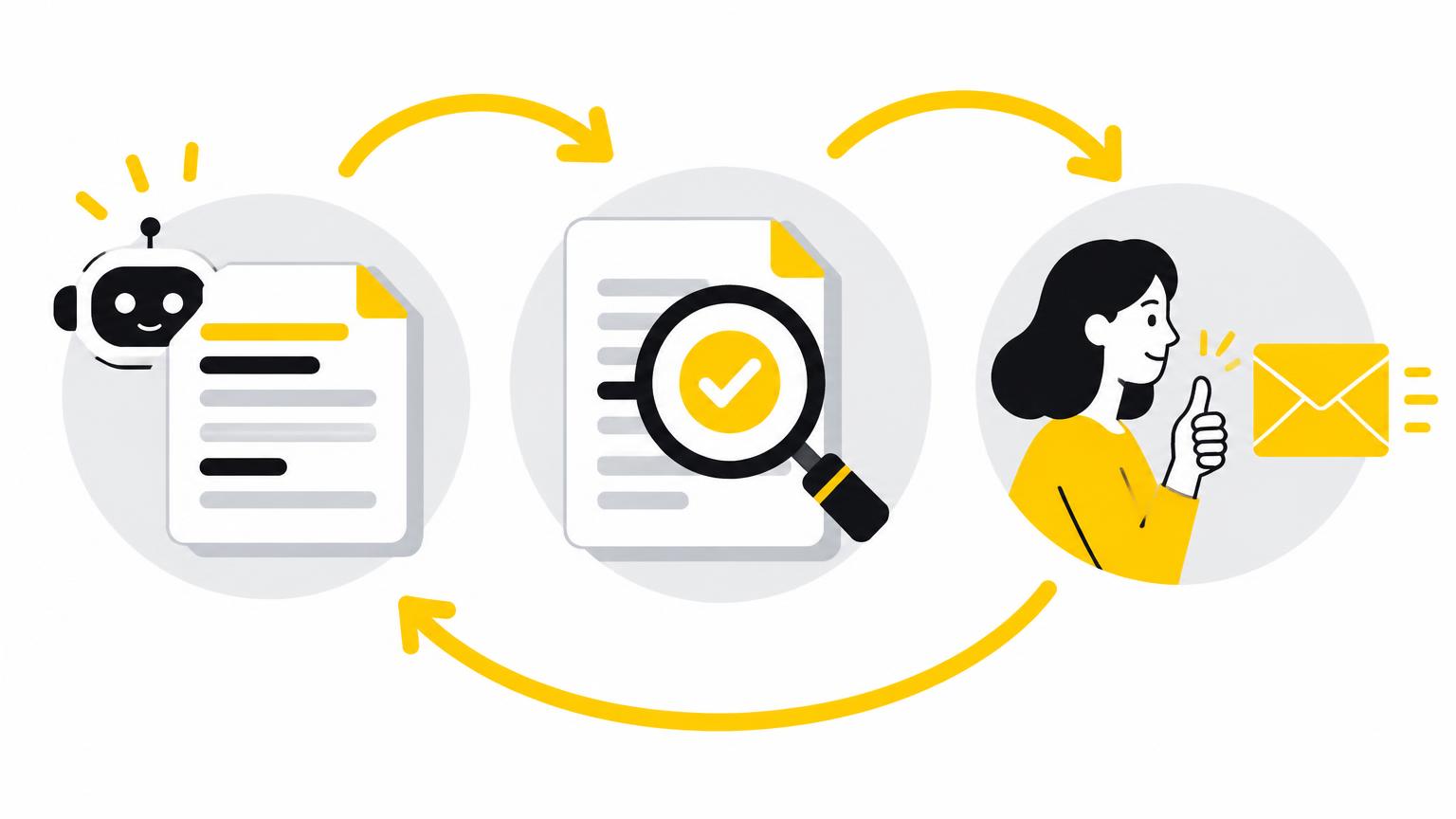
Before any AI-assisted material reaches a customer or informs a recommendation, check:
- Has a licensed broker reviewed the customer's actual needs and circumstances?
- Does the material avoid stating or implying a specific coverage recommendation generated by AI alone?
- Were only appropriately handled, non-sensitive details used during preparation?
- Does the final communication reflect what was actually discussed and verified?
Our free prompt library for insurance brokers includes templates for discovery questions and follow-up emails that you can adapt to your own sales process.
Trusted sources
- NAIC, artificial intelligence in insurance
- NAIC, state insurance departments directory
- OpenAI, prompt engineering guide
- Anthropic, prompt engineering overview
- FTC, privacy and security guidance for businesses
This guide is general education, not legal advice.